
Walker or Crutches: What’s Better After a Leg Injury?
Author: Hunter Appliances and Mobility Date Posted:8 May 2026
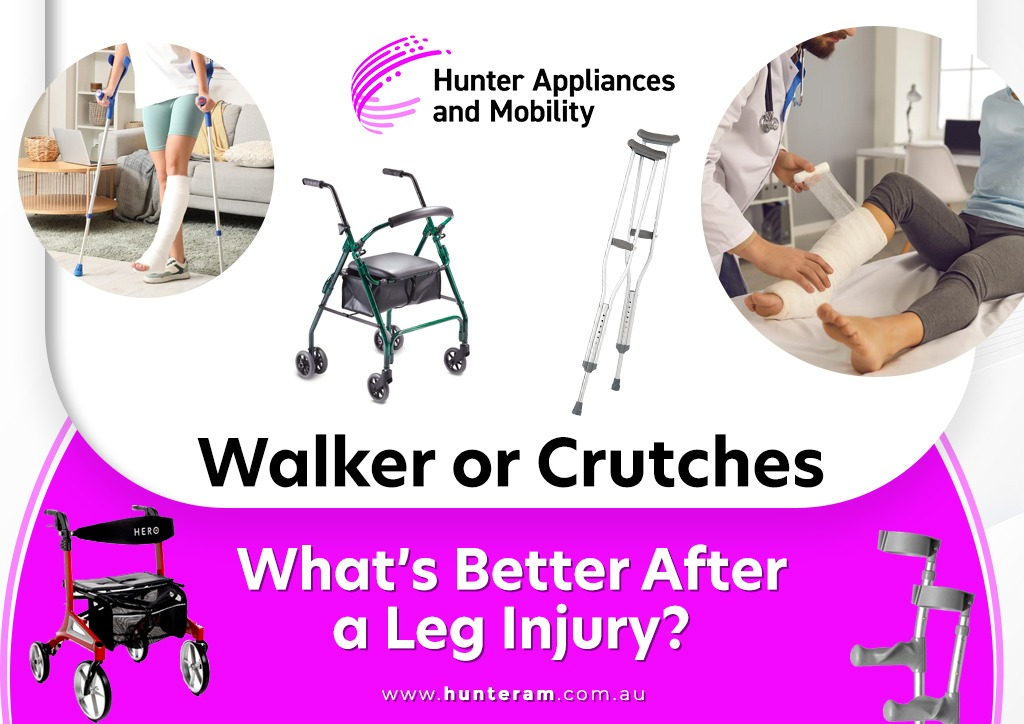
Are you finding it difficult to walk after surgery or an injury in your leg? Do you feel confused about whether to use a walker or crutches? If so, do not worry about anything, as we are here to help! When you are recovering from a leg injury, it is very important to use the right walking mobility aid.
Whether you had a fracture in your leg or recently underwent surgery, proper support is essential to ensure a safe and comfortable recovery without worsening the injury. And when it comes to recovering from a leg injury, walkers and crutches are the two most commonly used walking mobility aids.
But the right option between the two depends on your injury type, balance, and strength. If you need more information on choosing the right mobility walking aid, read this blog by Hunteram till the end.
What Are Walkers?
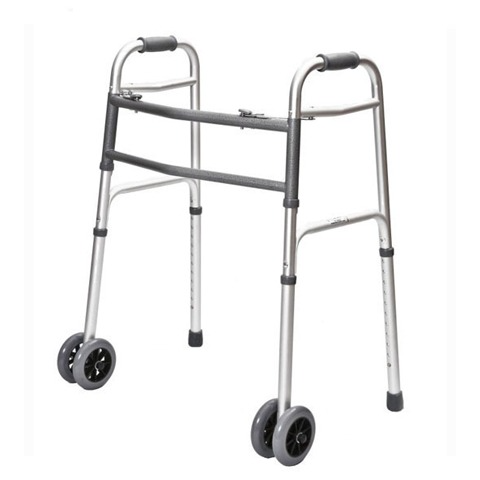
A walker is a walking mobility aid that supports walking after a leg injury, surgery, or weakness. The main purpose of a walker is to provide stability so that the user can balance themselves properly and move safely. A walker has 3 or 4 legs, and the user lifts or slides it along to move.
Walkers are helpful, especially for those who need more support and balance, for instance, elderly patients or during the severe injury recovery phase. These mobility walking aids are more stable than crutches; however, the movement when walking using a walker can be quite slow.
What Are Crutches?
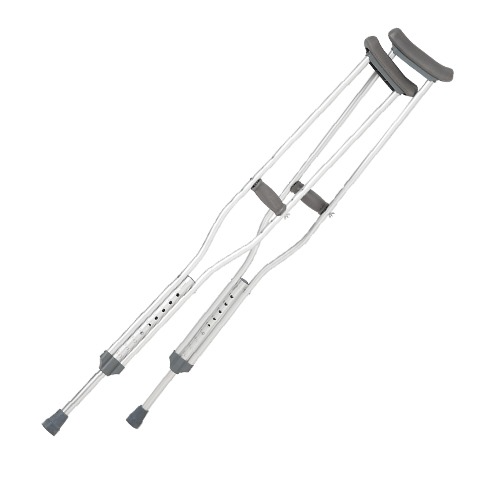
Crutches are a mobility aid that helps with walking after a leg injury, fracture, or surgery. The main purpose of crutches is to reduce weight on the injured leg to ensure a safe recovery. You get crutches usually in a pair, and they distribute the body weight with the support of your arms.
Such walking mobility aids are used when a patient needs more mobility, and they can use their upper body strength to maintain balance. They are more flexible when compared to walkers, but using them requires some practice for a safe and faster recovery.
Key Differences Between Walkers and Crutches
The main goal of both these walking mobility aids is to support the injured leg. But to ensure you buy the right one for yourself, it is important to know the key differences between walkers and crutches. Here is a list of key differences you must know about:
- Stability: Walkers are more stable because they provide full support on the ground. Crutches, on the other hand, are dependent on the body of the user for balance.
- Mobility: Crutches offer more freedom and faster movement, while walkers give you comparatively slow and controlled movement.
- Effort Required: You need more arm strength to use crutches and stamina, but you need comparatively less effort when using walkers.
- Safety: For beginners and weak patients, walkers are considered safer than crutches, as they are more challenging to use.
- Best Use Case: Walkers are recommended for elderly patients or someone recovering from a severe injury. On the other hand, crutches are better for young and active patients.
Factors to Consider When Choosing
Choosing the right option can affect your recovery. That’s why it is very important to choose between a walker and crutches carefully.
Here is a list of factors you need to consider when choosing between a walker and crutches:
- Injury Type & Severity: If the injury is severe or you need full support, then a walker is a better option. But in mild and partial weight-bearing cases, crutches can prove to be useful.
- Doctor’s Advice: Always follow the recommendation of your physiotherapist or doctor because they understand your condition the best.
- Strength & Balance: For those with a strong upper body and good balance, crutches are manageable. But for a weak balance, a walker is a safe option.
- Age Factor: A walker is a comfortable, stable, and safe option for elderly patients. Younger users can handle crutches easily during their recovery phase.
- Environment: If there are stairs or narrow spaces in the house, crutches can be more convenient. Walkers are a good option for open spaces.
On the Final Note
Walker and crutches both play an important role when recovering from leg work, but the better option is different for every person. Walkers offer more stability and safety. Crutches, on the other hand, give you more freedom and mobility. The right choice between the two depends on your injury, strength, balance, and the advice of the doctor.
That’s why it is not possible to call one thing universally best, as the best is the one that makes your recovery safe, comfortable, and effective. If you have chosen a walking mobility aid for yourself to recover safely from a leg injury, visit Hunteram, an online store to buy or hire mobility aids at affordable prices.
Need more recovery advice? Check out What Mobility Aid Do You Need After Surgery at Home.