
What Are the Early Warning Signs of Reduced Mobility?
Author: Hunter Appliances and Mobility Date Posted:22 May 2026
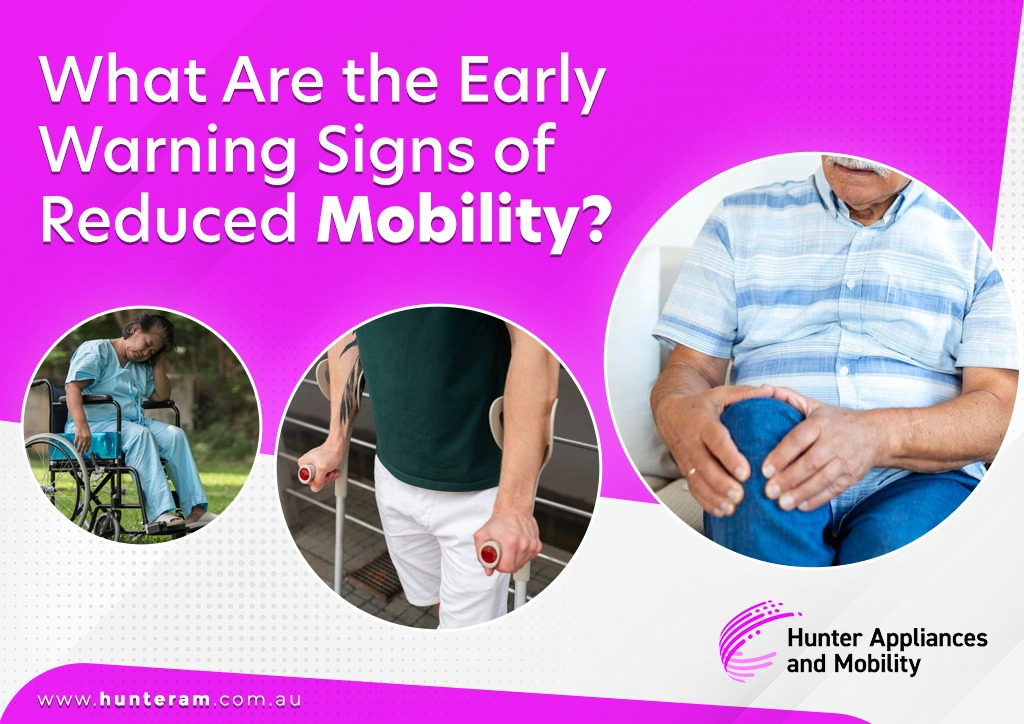
Reduced mobility is a common problem that can affect people of all ages, but it is more common in older adults. It usually starts slowly and becomes worse over time. Many people ignore the early signs because they think the changes are a normal part of aging.
However, paying attention to these warning signs can help prevent injuries, improve safety, and maintain independence for a longer time. Understanding the early symptoms of reduced mobility can also help family members provide better care and support.
In many cases, small changes in movement and balance appear long before serious mobility problems develop. If you want to protect yourself or your loved ones from serious mobility problems, read this blog by Hunteram to learn about early warning signs of reduced mobility.
Moving More Slowly Than Before
One of the earliest signs of reduced mobility is slower movement. A person who once walked quickly may begin taking smaller steps or moving more carefully. Walking may feel tiring even over short distances. Some people avoid long walks because they fear becoming tired or losing balance.
Simple tasks like shopping, visiting neighbors, or walking in the park may suddenly feel difficult. People may also begin sitting more often during the day because standing and walking require more effort than before.
Using mobility aids at an early stage can make daily movement easier and reduce stress on the body. These supportive tools help people stay active while lowering the risk of falls and injuries.
Difficulty Getting Up From Chairs or Beds
Another common warning sign is difficulty standing up after sitting for a while. Weak muscles, stiff joints, and poor balance can make rising from a chair difficult. Some people may push themselves up using their hands or ask for help from family members.
This problem often becomes noticeable during everyday routines. For example, getting out of bed in the morning or standing up after watching television may take longer than before.
Many older adults choose liftchairs because they offer extra support when sitting down and standing up. These specially designed chairs can help reduce strain on the knees, hips, and back.
Loss of Balance
Poor balance is one of the most serious warning signs of reduced mobility. A person may begin holding onto furniture as they walk around the house. They may feel unsteady while climbing stairs or walking on uneven surfaces.
Frequent stumbling, slipping, or near falls should never be ignored. These situations can increase fear and reduce confidence, even if no injury happens. Some people become nervous about walking alone and start avoiding outdoor activities completely.
In such situations, mobility walking aids can provide better support and stability. They help improve confidence while moving around both indoors and outdoors.
Joint Pain and Muscle Weakness
Pain in the knees, hips, ankles, or lower back can slowly reduce mobility. At first, the pain may appear after only physical activity, but over time, it may persist throughout the day. Muscle weakness can also make carrying objects, climbing stairs, or standing for long periods difficult.
People with arthritis often notice stiffness in the morning or after sitting for too long. This stiffness can make movement uncomfortable and slow.
Ignoring these symptoms may lead to reduced physical activity, which can further weaken the body. Gentle exercise, stretching, and proper medical care can help improve strength and flexibility.
Feeling Tired During Simple Activities
Reduced mobility can make normal activities feel exhausting. Tasks such as cooking, cleaning, bathing, or dressing may suddenly require more energy. A person may need frequent breaks while completing simple household chores.
Fatigue can occur because the body has to work harder to move when muscles and joints are weak. Over time, people may stop participating in social activities or hobbies because they feel physically drained.
Family members should pay close attention if a loved one starts avoiding activities they once enjoyed. This change may be an early sign that movement has become difficult or painful.
Trouble Using Stairs
Many people first notice mobility problems while using stairs. Climbing up may cause pain, shortness of breath, or weakness in the legs. Going downstairs may feel frightening because of poor balance.
Some individuals begin using railings more heavily or avoid stairs completely. In severe cases, people may move their bedroom downstairs to avoid climbing.
Difficulty with stairs is an important sign because it affects independence and safety inside the home.
Changes in Posture
Reduced mobility can also affect posture. Some people begin leaning forward while walking or standing. Others may shuffle their feet instead of lifting them properly.
Poor posture can increase pressure on the spine and joints, leading to more pain and discomfort. It may also affect balance and increase the risk of falling.
These changes often happen slowly, so family members may notice them before the individual does.
Increased Fear of Falling
Fear of falling is very common among older adults with mobility problems. Even if a person has never experienced a serious fall, they may still feel anxious while walking.
This fear can lead to less movement and physical activity. Unfortunately, staying inactive can further weaken muscles and worsen mobility.
Encouragement, proper exercise, and safe home adjustments can help improve confidence and reduce anxiety related to movement.
Problems in the Bathroom
The bathroom can become a challenging place for people with reduced mobility. Wet floors, slippery surfaces, and limited space can increase the risk of accidents.
Some people struggle to step into the bathtub or lower themselves onto the toilet seat. Others may feel unsafe while showering without support.
Installing bathroom mobility aids can improve safety and make personal care routines much easier. These supportive products help reduce the risk of slips and falls.
Reduced Independence
As mobility becomes worse, people may depend more on others for daily tasks. They may ask for help with shopping, cooking, cleaning, or transportation.
Losing independence can affect emotional health and confidence. Some people feel frustrated, embarrassed, or isolated because they can no longer move freely.
Providing emotional support is just as important as offering physical assistance. Encouraging independence whenever possible can improve both mental and physical well-being.
Final Thoughts
Reduced mobility usually develops slowly, but the early warning signs are often easy to notice when people pay attention. Slower walking, poor balance, muscle weakness, joint pain, and difficulty standing are all common symptoms that should not be ignored.
Recognizing these changes early can help people find the right support and maintain independence for longer. With proper care, safe living spaces, and supportive equipment, many individuals can continue enjoying active and comfortable lives.
FAQs
1. What should I do first if I notice these warning signs in my loved one?
Watch their changes closely. Help them stay safe at home. Talk to them kindly and encourage them to stay active. Do not ignore the problem.
2. When should I see a doctor or physical therapist?
See a doctor if they fall often, feel pain, have poor balance, or find walking, standing, or stairs hard. Early help is important.
3. What exercises are safe for early mobility problems?
Easy walking, slow stretching, chair exercises, light yoga, and water exercises are safe. These help the body stay strong and steady.
4. What home changes can reduce fall risks?
Remove loose mats, keep floors clear, add bright lights, use bathroom grab bars, and keep daily items easy to reach.
Additionally, Feeling stressed by everyday movement challenges? Read our blog, “How Can the Right Mobility Support Reduce Everyday Stress?”